
Supporting Skin Renewal
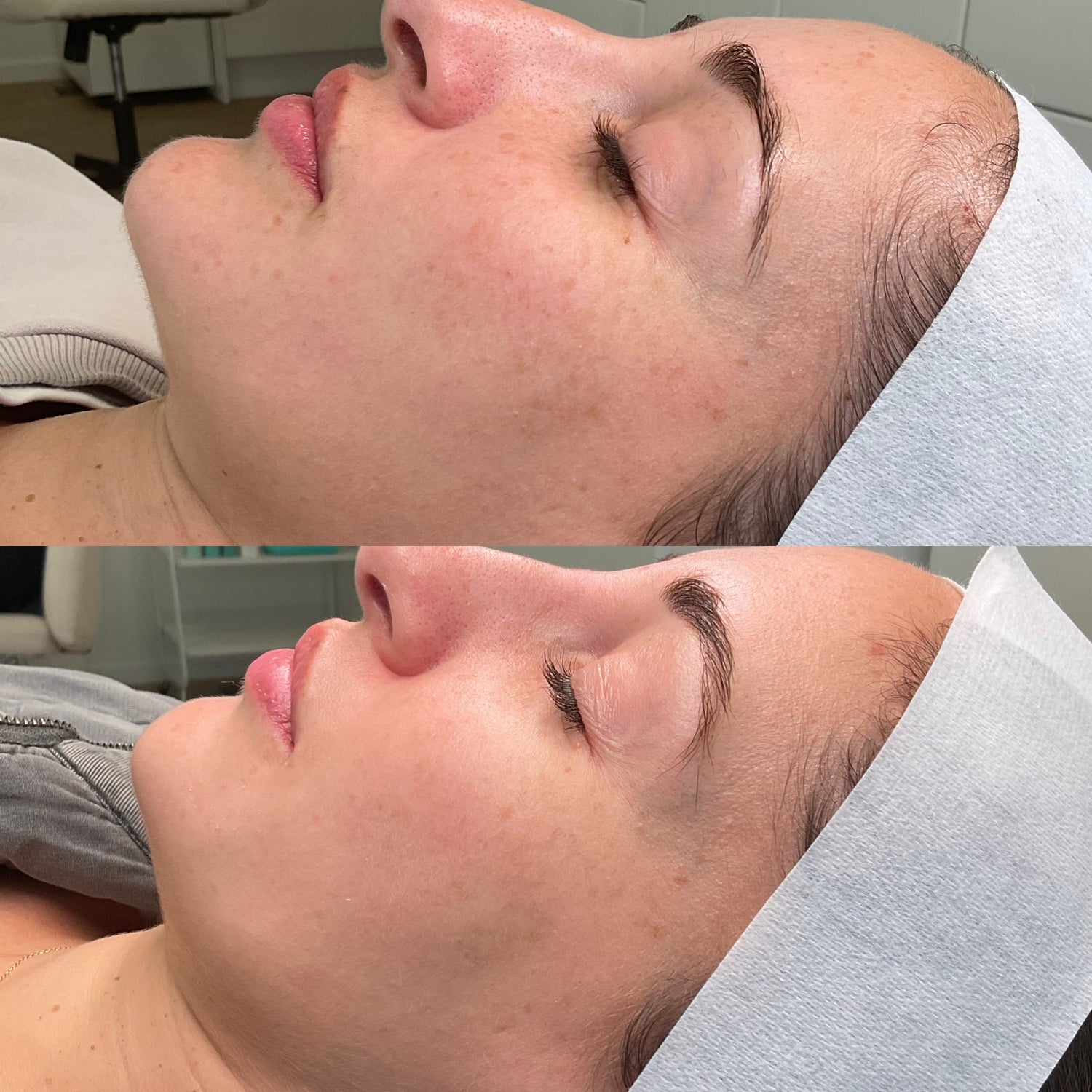
At Your Aesthetic, we offer a curated range of advanced chemical peels designed to support skin health, correction, and rejuvenation.
Each treatment is tailored to your individual skin needs and may address concerns such as pigmentation, congestion, breakouts, dehydration, uneven skin tone, texture, and visible signs of skin ageing.
Our approach is personalised and results-focused, with every treatment plan carefully customised to your skin, lifestyle, and goals.
Chemical Peels from $225
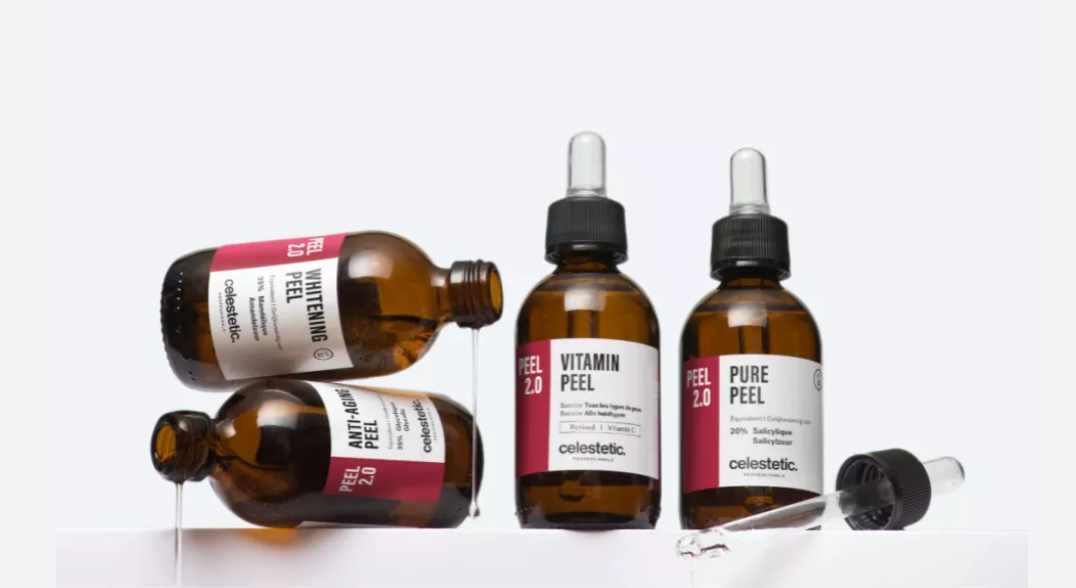
All Celestetic peel treatments include LED Light Therapy as part of the treatment protocol.
Our Peel Menu
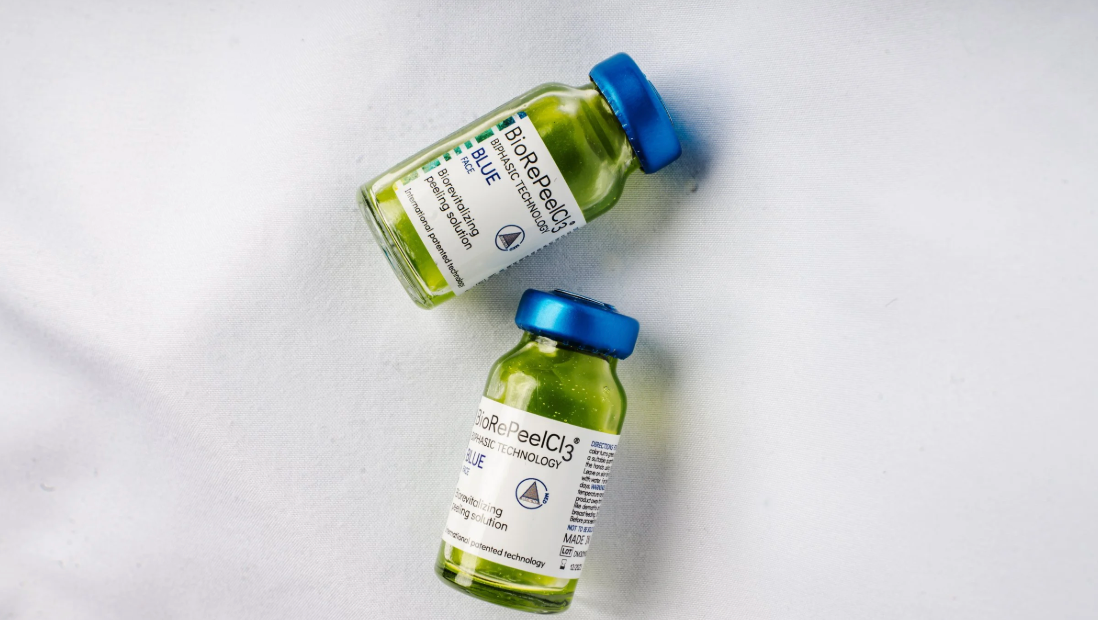
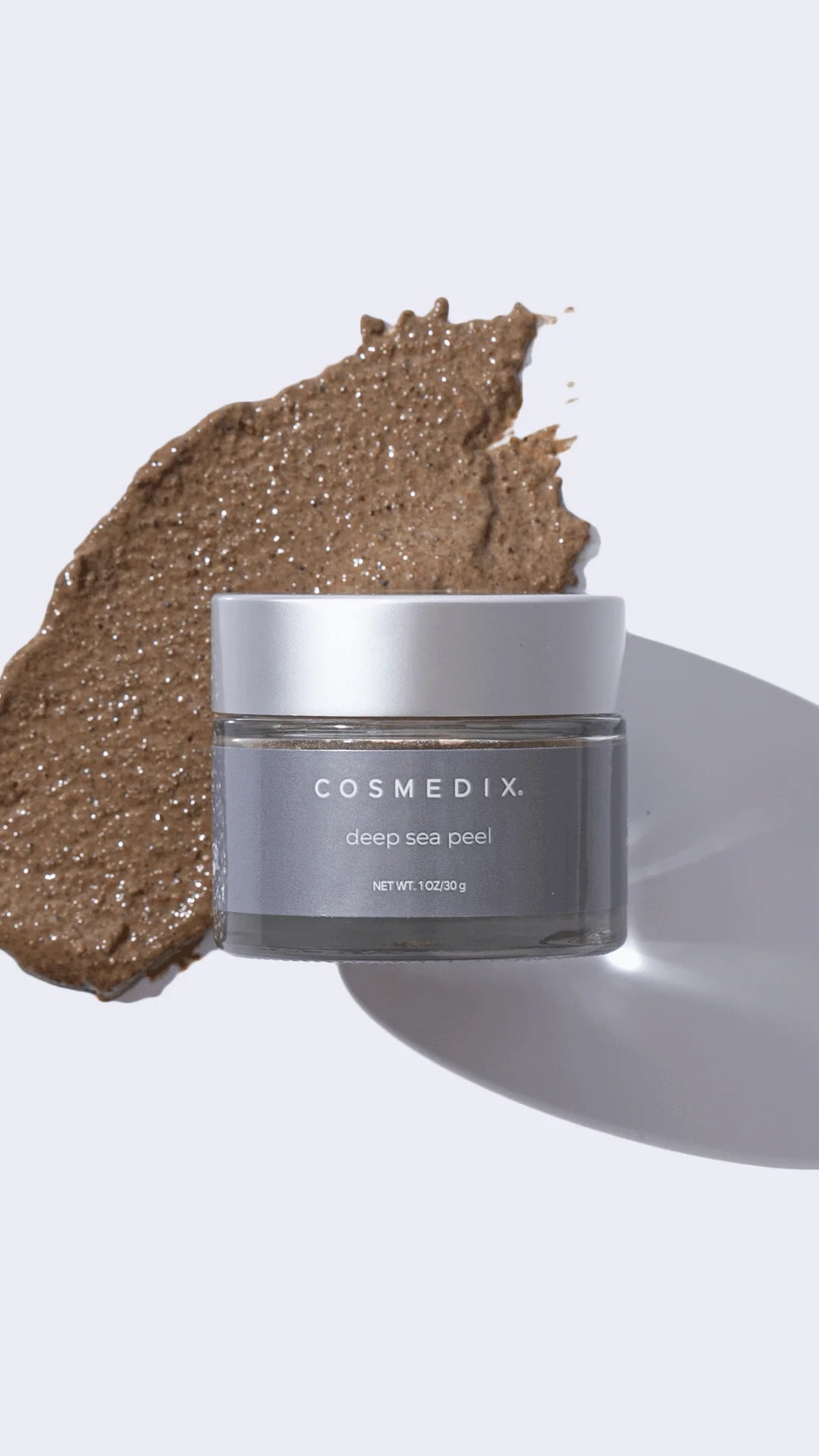
FREQUENTLY ASKED QUESTIONS
ARE CHEMICAL PEELS SAFE?
Yes - when professionally prescribed and performed correctly, chemical peels are a safe and effective way to improve overall skin health and function. At Your Aesthetic, every peel is tailored to your skin type, concerns, and barrier condition to ensure the treatment is both safe and results-driven.
Who is suitable for a peel?
Most skin types are suitable for peels, however if your skin is deemed ‘impaired’ then we will recommend an alternative treatment (or homecare products) until we can strengthen your skin barrier to perform peels.
As always, we will provide a comprehensive skin consultation to discuss your skin in more detail and provide you with the best peel options.
WHAT SIDE EFFECTS CAN I EXPECT?
Temporary redness, sensitivity, dryness and mild flaking are common following a peel. Recovery will vary depending on the treatment performed and your individual skin response.
Your clinician will discuss expected downtime and aftercare requirements prior to treatment. If you have any concerns during your recovery, please contact the clinic.
WHAT IF I DON'T KNOW WHAT I NEED?
Many clients come to us unsure of which treatment is most suitable—and that's exactly what we're here for. Following a comprehensive assessment, we'll guide you through your options and recommend the treatments, skincare and approach best suited to your skin, goals and lifestyle.
How often should I have a peel?
The interval between treatments will vary depending on the peel selected and the concerns being addressed. Most peel protocols involve treatments every 2–4 weeks, however recommendations will be tailored to your individual skin response and treatment objectives.
Is it normal to break out after a peel?
In some cases, a temporary increase in breakouts may occur as the skin's renewal process accelerates and underlying congestion comes to the surface more quickly. This response, often referred to as skin purging, is usually short-lived and forms part of the skin's adjustment process.
We understand that changes in the skin can sometimes feel concerning, which is why our team is here to support you and provide guidance throughout your treatment journey.
CAN I RECEIVE TREATMENT IF PREGNANT OR BREASTFEEDING?
n many cases, yes. We offer pregnancy and breastfeeding-friendly peel options, however treatment recommendations will always be guided by your skin's needs and individual circumstances. Your clinician will advise on the most appropriate treatment approach during your consultation.